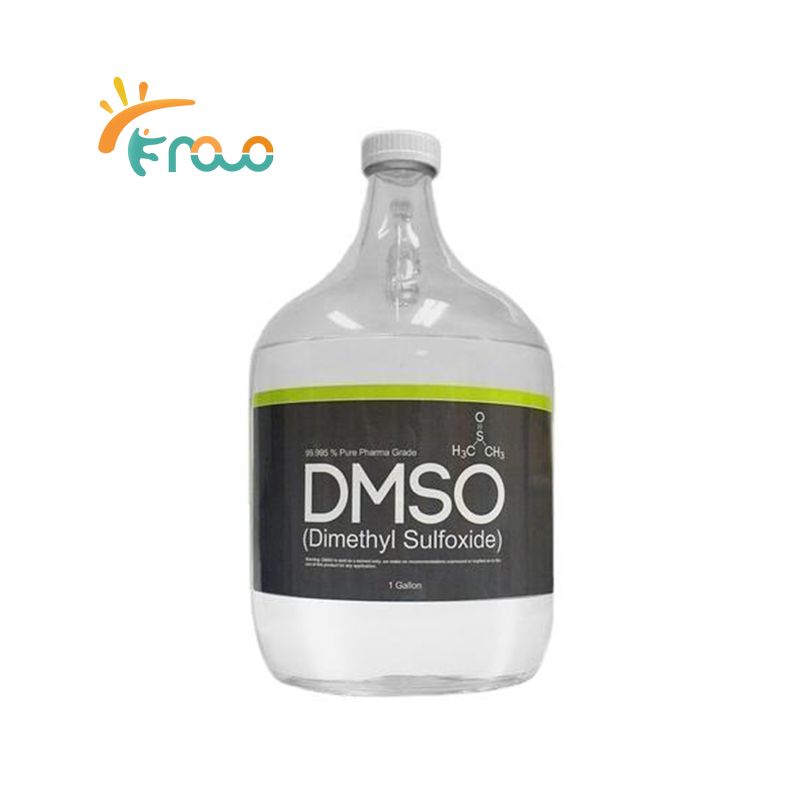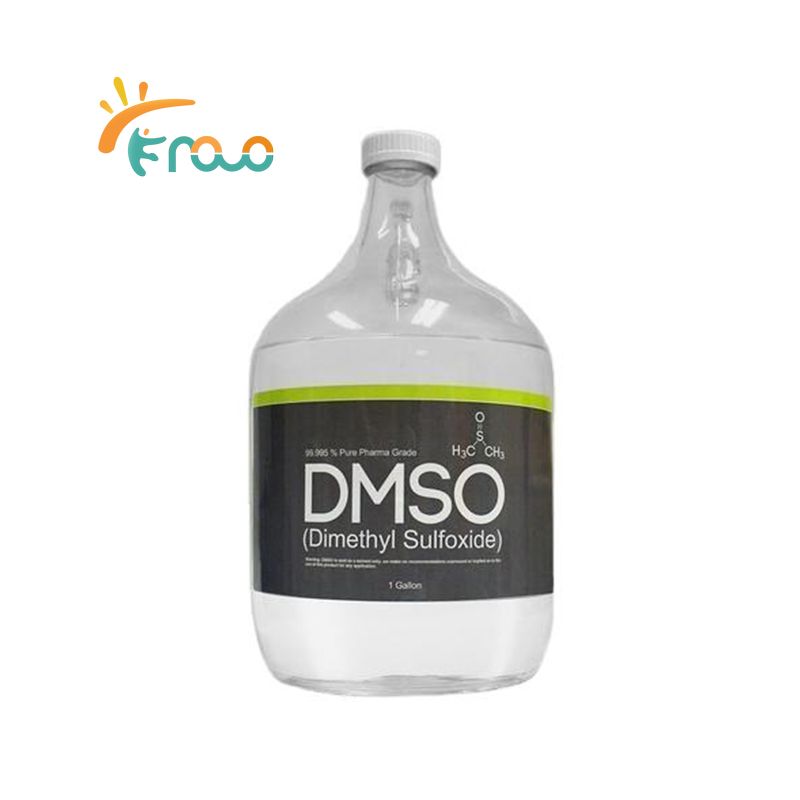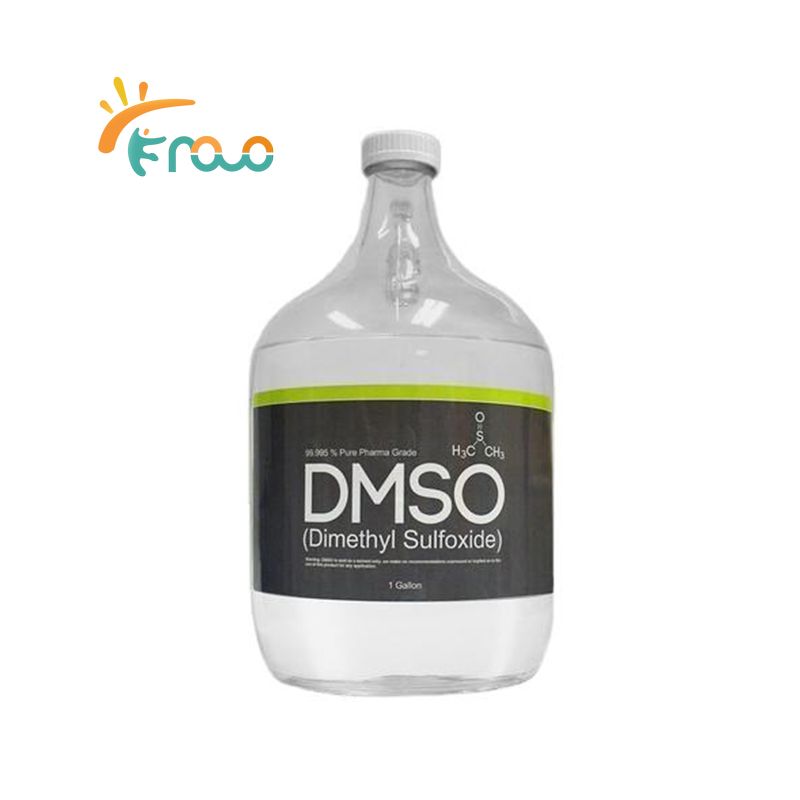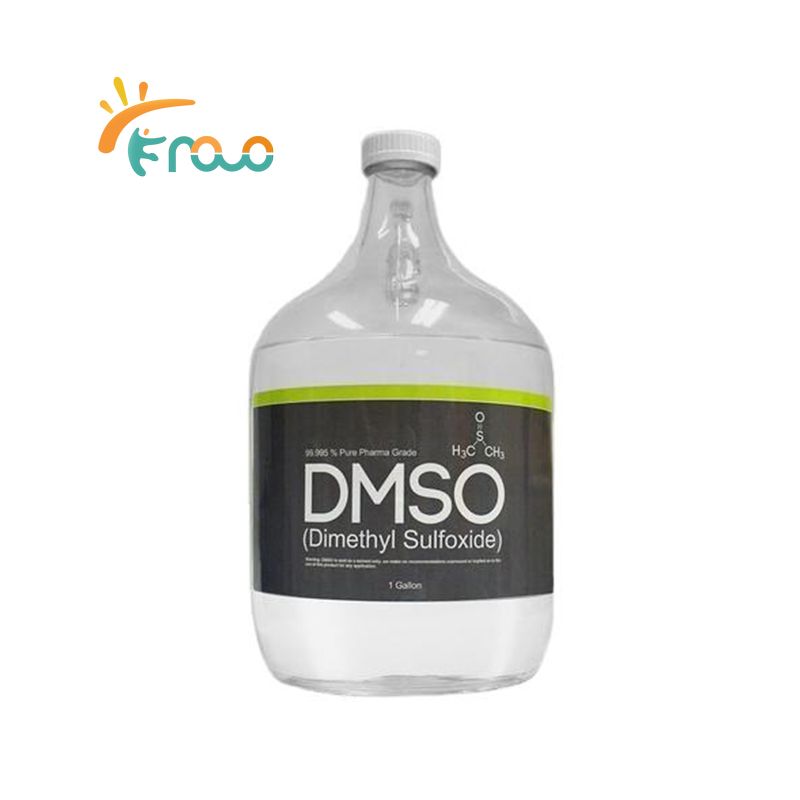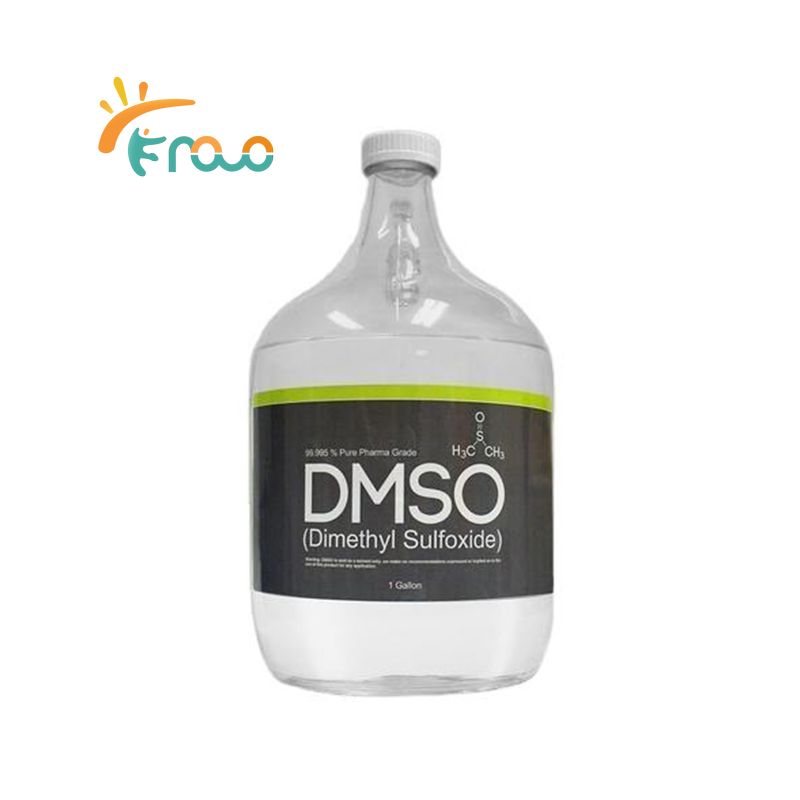
Dimethyl sulfoxide (DMSO) is a highly polar and water-miscible organic liquid. Due to its powerful solvent, it is named a “Universal solvent”. Dimethyl sulfoxide has many properties, such as a powerful solvent, high flash point, and boiling point, excellent toxicological and eco-toxicological profile, recyclable, biodegradable, and low odor, so it is wildly used in pharmaceutical, electronic...
1. DMSO has solubility and permeability to many drugs, and itself has anti-inflammatory and pain relief, promotes blood circulation and wound healing, and has diuretic and sedative effects, which can increase drug absorption and improve the efficacy of treatment, so it is called a universal drug in foreign countries. Various drugs can be dissolved in DMSO and penetrate the body by applying on the ...
Dimethyl sulfoxide (DMSO) is an organosulfur compound with the formula (CH3)2SO. This colorless liquid is the most widely used sulfoxide commercially. It is an important polar aprotic solvent that dissolves both polar and nonpolar compounds and is miscible in a wide range of organic solvents as well as water. DMSO has a relatively high boiling point and the unusual property that many individuals p...
Dimethyl sulfoxide (DMSO) is an aprotic polar solvent that is soluble in both water and organic solvents. It is widely used in industry as a solvent and reaction reagent due to its high selective extraction ability. One of the main industrial applications of DMSO is as a solvent for the extraction of aromatic hydrocarbons. It is also used as a reaction medium for resins and dyes, and as a solvent ...
Introduction: DMSO (dimethyl sulfoxide) is a multifunctional organic compound widely used as a solvent and drug delivery tool. It is widely used in medicine and laboratories, and has several attractive properties and uses. Production method of DMSO: DMSO can be obtained by chemical reaction or extraction from woody plants. The chemical synthesis method is obtained by reacting sulfur dioxide with m...
The lactose market has witnessed significant growth in recent years, driven by various factors such as increasing demand for lactose-based products, a rise in lactose-intolerant population opting for lactose-free alternatives, and the growing use of lactose in the pharmaceutical industry. Lactose, a natural sugar found in milk and milk products, is widely used as a functional ingredient in the foo...
DMSO, short for dimethyl sulfoxide, is a widely used solvent known for its unique properties, including its ability to penetrate biological membranes. While DMSO has been studied for various applications, its role in fat loss is not well-established. There is limited scientific evidence directly linking DMSO to fat loss. Most studies evaluating DMSO's effects focus on its anti-inflammatory and ant...
Melatonin is widely used to improve sleep, especially for those who struggle with insomnia or jet lag. However, many people wonder, “Is Melatonin bad for you?” Understanding Melatonin and Its Effects Natural Hormone: Melatonin is a hormone naturally produced by your body to regulate the sleep-wake cycle. Taking it in supplement form can help you fall asleep faster and maintain better sleep ...
L-Theanine is an amino acid commonly found in tea leaves, particularly in green tea. It is known for its potential calming effects and is often used as a natural remedy for anxiety. Research suggests that L-Theanine may indeed help with reducing anxiety and promoting relaxation. Here are some ways in which L-Theanine may work for anxiety: 1. Promoting Relaxation: L-Theanine is believed to p...
Alpha-lipoic acid is a naturally occurring compound that functions as a cofactor in vital metabolic processes in the body. It has antioxidant properties and is used for various purposes. Some common uses of alpha-lipoic acid include: 1. Antioxidant Benefits: Alpha-lipoic acid helps reduce oxidative stress in the body by neutralizing free radicals, which can help protect cells from damage. 2. Diabe...
When it comes to skincare, two ingredients that often come up in discussions are hyaluronic acid and copper peptides. Both have unique benefits and can contribute to healthier, more youthful-looking skin. But which one is better? Let’s explore their properties, benefits, and differences. What is Hyaluronic Acid? Hyaluronic acid (HA) is a naturally occurring substance in the body, primarily found i...
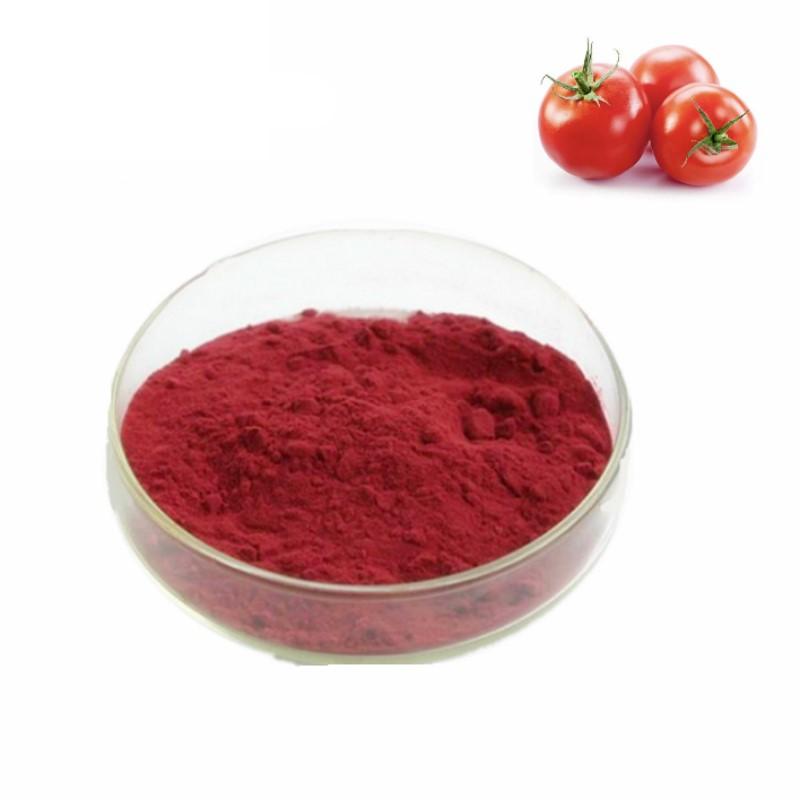
Lycopene is a powerful antioxidant that belongs to the carotenoid family, which gives certain fruits and vegetables their red color. Some of the potential benefits of lycopene include: 1. Antioxidant properties: Lycopene helps neutralize harmful free radicals in the body, which can reduce oxidative stress and inflammation. 2. Heart health: Some studies suggest that lycopene may help ...